The complete electric outdoor power equipment glossary
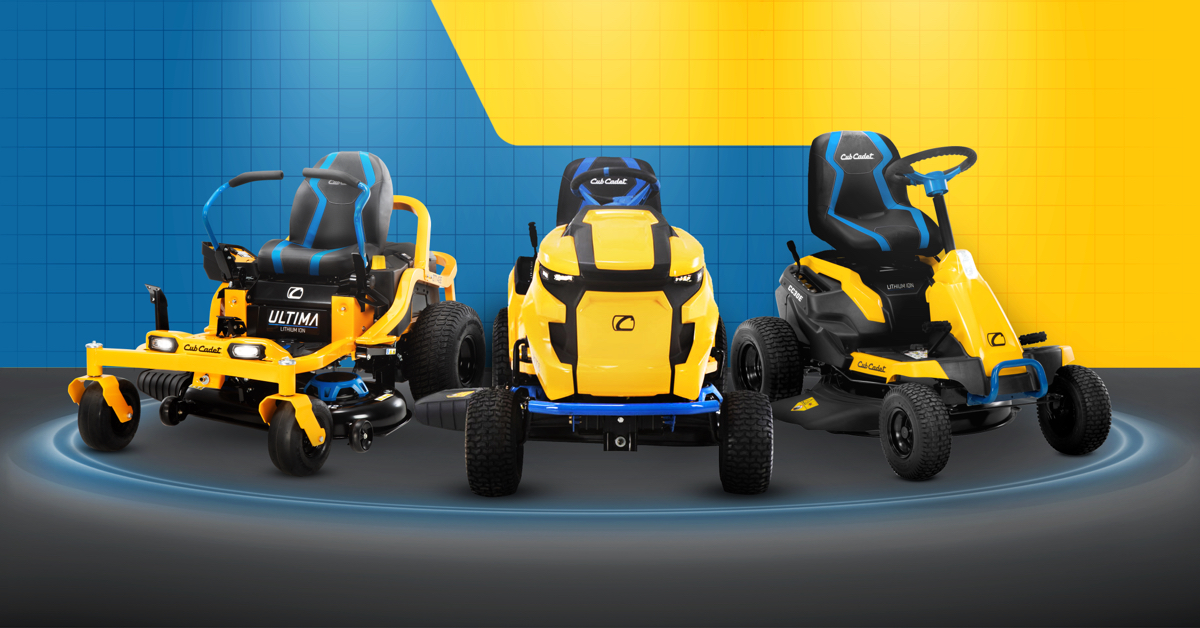 So, you’re thinking about taking the leap into battery equipment, but product research is often complicated by a whole bunch of jargon that’s hard to understand and often not well explained. In case you’ve ever wondered why voltage matters or if you really need a brushless motor, we’ve created an electric outdoor power equipment glossary to help demystify the industry terms you see floating around.
Glossary Terms:
Brushless Motor
In electric motors, there are brush and brushless motors. In traditional motors, brushes are required to conduct electricity; they rub against the rotating part of the motor and electricity is transferred on contact. This process causes friction, which impacts efficiency and long-term reliability as physical parts rub against each other.
A brushless motor, as the name implies, does not use brushes or friction to conduct electricity. It uses magnets instead of brushes to deliver the same level of power with better efficiency. When it comes to battery, any efficiency means more energy for you to operate your equipment. Just think of brushless motors as the evolution of brush motors.
Buyers Tip: Choosing a brushless motor lineup will help add to the longevity of your electric equipment. It may cost a slight premium at the time of initial purchase, but the improved efficiency and reliability is worth the additional upfront investment.
Charge Time
As the term implies, charge time gives an estimate of how long it would take to charge the battery of a unit from empty to full. Charge time may be shorter if the battery is not completely depleted when you start to charge, and how long it takes to charge depends on the size of the battery, the speed at which it charges and other factors.
Buyers Tip: Look for electric and battery systems that can charge relatively quickly. For handheld equipment, anywhere under three hours, and for larger built-in batteries, anywhere under six hours to charge are generally acceptable charging times.
Fast Charging
Fast charging is a series of engineering and product design choices made so that an electric product’s battery can charge significantly faster than regular batteries. This is often made possible by applying a higher voltage to the battery and can mean that a battery can charge up to 50 percent faster than regular charging.
Lawn mowers, riders and batteries with fast charging technology can help you top up faster, more often, if and when you need it.
Buyers Tip: Choosing a battery lineup that has fast charging capabilities will help you get more done in less time – especially if you have a bigger yard or a need for extended sessions. Generally, only premium outdoor power equipment brands offer this feature as more premium batteries and advanced engineering is required for this capability.
Battery Voltage
For smaller battery-powered tools, a lower voltage (20V or so) often means a lighter battery, and for smaller tools, weight is typically more important than power. Power really matters when it comes to outdoor power equipment – you need a system that gives you the most power. Practically speaking, higher voltage (40V to 60V) translates to higher torque, and more torque makes it easier to apply greater force without putting as much strain on the battery. As a rule of thumb, higher voltage systems are more powerful.
Buyers Tip: On outdoor power equipment, you’ll see battery voltage range from 40V up to 60V. While higher voltage systems can be more costly, it’s worth the investment to ensure adequate power throughout your entire mow.
Ampere Hours
Broadly speaking, amperage (often abbreviated to AH) determines how long the battery will last while it’s being used. When a mower or tool is in use, the battery begins to discharge as current starts to flow. Having tools rated for higher ampere hours generally means the battery will run for longer. So, a three-ampere hour battery will give you three amperes of current for an hour, while five-amp hour battery will give you five amps for an hour, and so on.
Buyers Tip: On outdoor power equipment, you’ll see amperage range between 4AH and 6AH. It’s important to consider that while amperage can vary, how it’s combined with voltage will ultimately determine the total run time for a piece of equipment.
Run Time
Run time is a simpler and more easy-to-understand approach to defining ampere hours. Run time generally means how long a piece of battery outdoor equipment will run under a certain set of real-life testing conditions. It is also a reasonable estimate about how long the equipment will continue to work before its charge depletes. It’s important to remember, however, that run time can vary depending on a variety of factors, like temperature, cutting conditions and terrain.
Buyers Tip: Ideal run time is best determined by your personal needs. If you never mow for over half an hour, use that information as the basis for your comparison shopping.